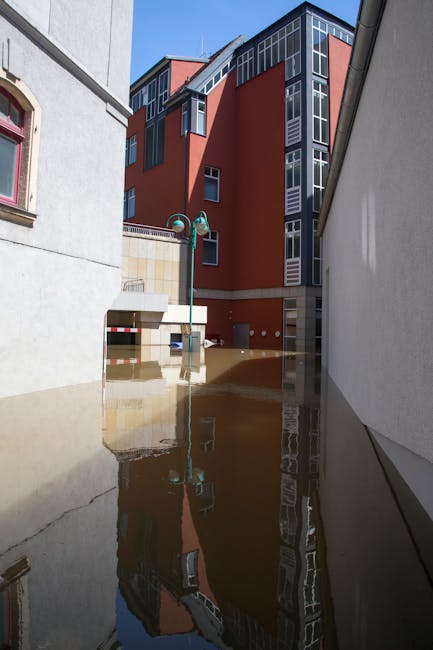
Emergency flood cleaning in Cambridge Heath: when to call pros
Floodwater never arrives at a convenient time. One minute you are dealing with a damp patch by the skirting board, and the next you are watching water creep under the sofa, into carpet underlay, and into rooms that were perfectly fine an hour ago. If you are trying to work out when to call professionals for emergency flood cleaning in Cambridge Heath, the answer is usually simpler than people expect: call sooner than feels comfortable, especially if the water is contaminated, keeps returning, or has soaked into soft furnishings and flooring.
This guide breaks down the decision properly. You will learn what emergency flood cleaning involves, what pros actually do on site, which situations you can handle yourself, and the warning signs that mean DIY is likely to make things worse. It also covers practical steps for the first hour, sensible safety checks, and what to expect from a professional visit in a London home or business. No drama, no fluff. Just the kind of guidance that helps when the floor is wet and your head is full.
Quick expert summary: if floodwater is more than a small clean-water spill, has reached carpets or upholstery, smells musty or sewage-like, touched electrics, or has been sitting for more than a few hours, professional help is usually the smart move. The longer you leave it, the more likely you are to face hidden moisture, mould, and expensive secondary damage.
Table of Contents
- Why emergency flood cleaning matters
- How the cleaning process works
- Key benefits and practical advantages
- Who needs this and when it makes sense
- Step-by-step guidance
- Expert tips for better results
- Common mistakes to avoid
- Tools, resources and recommendations
- Law, compliance, standards and best practice
- Options, methods and comparison table
- Case study or real-world example
- Practical checklist
- Conclusion
- Frequently asked questions
Why emergency flood cleaning in Cambridge Heath when to call pros matters
Flooding is not just "too much water on the floor". It is a time-sensitive damage problem. Water spreads fast through carpet backing, underlay, wood joins, plaster, and furniture legs. In a dense urban area like Cambridge Heath, where homes and commercial spaces often sit close together and access can be awkward, a small delay can turn into a bigger mess very quickly. That is especially true in older buildings, lower ground flats, shopfronts, and mixed-use properties.
The first issue is structural. Once water gets underneath flooring, it can migrate beyond the visible wet patch. The surface may look only slightly damp while the underlay is soaked through. That hidden moisture is where the real trouble starts. A second issue is hygiene. Floodwater can carry dirt, bacteria, and in some cases sewage contamination. That changes everything. You do not want to be guessing what came in with the water.
Then there is the practical side: furniture, rugs, mattresses, and upholstery absorb water differently. A carpet can dry "on top" and still stay wet underneath. A sofa can look fine for a day and then develop a smell that, frankly, nobody wants in their living room. If you have ever opened a room after a flood and been hit by that heavy damp smell, you will know exactly what I mean. It lingers.
Professional emergency flood cleaning matters because it combines speed, moisture removal, sanitising, and damage control. Done well, it reduces the chance of mould growth, helps preserve flooring and furnishings, and gives you a clearer picture of what can be saved. Done badly, or too late, it can leave you chasing odours and hidden damp for weeks.
For many households, the real question is not "Can I mop this up?" It is "How far has the water gone, and what have I not seen yet?" That is the bit people underestimate.
How emergency flood cleaning in Cambridge Heath when to call pros works
Professional flood cleaning is a structured process, not just a bigger vacuum and a few towels. The job usually starts with an assessment: what type of water is involved, which rooms are affected, what materials have been hit, and how quickly the water needs to be removed. That assessment shapes everything else.
In practical terms, the work often includes:
- pumping or extracting standing water
- lifting water from carpets and soft furnishings
- checking underlay, floor edges, and hidden corners
- air movement and drying equipment to reduce moisture quickly
- careful cleaning or sanitising where contamination is a concern
- monitoring for lingering damp before the job is considered finished
The exact method depends on the source of the flood. Clean water from a burst pipe is very different from water that has come back through a drain or entered from outside after heavy rain. Professionals will also think about what should not be cleaned in place. Sometimes a rug, mattress, or cushion insert is better removed for separate treatment or replacement. There is no magic trick here, just judgment.
If carpets are involved, the process may overlap with carpet cleaning methods, but flood work is not the same as routine maintenance. Flood cleaning is about safety and salvage first. Appearance comes later. In some cases, items such as sofas or chairs may need specialist upholstery cleaning or even separate handling if the water has soaked deep into padding and seams.
A good team will also be careful with the wider property. Doors, hallways, sockets, and adjacent rooms need attention. The point is to control the spread, not just make one patch look tidy. That sounds obvious, but in a flood, obvious things get missed all the time.
Key benefits and practical advantages
The biggest benefit of calling pros is speed. Flood damage gets worse hour by hour, especially when moisture stays trapped under flooring or inside furniture. A fast response can mean the difference between drying out a room and replacing whole sections of material. That is not an exaggeration.
Another major advantage is proper moisture detection. Most homeowners can see surface water. Far fewer can tell whether underlay, wood floor edges, wall bases, or hidden fabric layers are still wet. Professionals use their experience to look in the places that matter, including the awkward corners under fitted furniture and along skirting where water likes to hide.
There is also a contamination issue. If floodwater is dirty, odorous, or has potentially backed up from waste systems, the problem is no longer just damp. It becomes a health and sanitation concern. In those situations, using specialist cleaning and suitable protective methods is simply the safer option.
Then there is peace of mind. Let's face it, after a flood you are not thinking at your sharpest. You are probably tired, annoyed, and trying to keep the day from falling apart. A professional visit gives you a plan. What can be saved, what needs drying, what needs disinfecting, and what might need replacing. That clarity matters.
Other practical benefits include:
- lower risk of long-term odours
- reduced chance of mould and mildew
- less chance of secondary damage to flooring and furniture
- better protection for business continuity if the space is commercial
- clearer documentation for insurers, landlords, or property managers
If you want to compare professional cleaning with other options later on, the key point is simple: flood cleaning is most valuable when time, contamination, or hidden moisture are in play.
Who this is for and when it makes sense
This kind of service is for anyone dealing with water where ordinary cleaning will not cut it. That includes flat owners, tenants, landlords, property managers, local businesses, and shop owners facing an early-morning leak or a surprise aftermath from heavy weather. In Cambridge Heath, that might be a basement room, a ground-floor office, a cafe store area, or a family home where a pipe has burst overnight.
You should strongly consider calling professionals if any of the following apply:
- the water level covered a large area or kept spreading
- carpet, rug, sofa, or mattress materials are wet through
- the water has a smell, colour, or residue
- electric sockets, appliances, or wiring may have been exposed
- the flood came from outside, drainage, or unknown sources
- the room has been wet for more than a few hours
- you can hear moisture under floors or see swelling at the edges
It also makes sense to call pros if you have vulnerable people in the property, such as young children, elderly residents, or anyone with breathing difficulties. Dampness and lingering contamination are not things to shrug off. Truth be told, if you are asking whether the job is too big for DIY, it often already is.
On the other hand, a very small clean-water spill on a hard floor may not need urgent specialist help. A tipped bucket, a leaking plant pot, or a minor overflow can often be handled with towels, ventilation, and careful monitoring. The challenge is deciding where the line sits. If you have to think hard about whether the water got under something, that is usually your signal.
Step-by-step guidance
If floodwater has just appeared, act in this order. Not perfectly. Just promptly.
- Make the area safe. If there is any chance of electrics being affected, keep clear of sockets, plugs, extension leads, and appliances. Do not stand in water near electrical equipment. That part is non-negotiable.
- Stop the source if you can do so safely. Turn off the incoming water if the problem is a burst pipe or plumbing leak. If the source is external or unknown, focus on keeping yourself safe and limiting spread.
- Protect nearby items. Move dry furniture, bags, documents, and valuables out of harm's way. If items are already soaked, do not drag them across clean flooring if it can be avoided.
- Blot or remove visible water. Use towels or a mop for surface water, but avoid pushing contaminated water into other rooms.
- Ventilate the space. Open windows if weather and security allow. Fresh air helps, though in a big flood it is not enough on its own.
- Inspect soft furnishings and floor edges. Check carpets, rugs, sofa bases, and skirting lines for hidden damp.
- Decide if the job is beyond basic drying. If the water has soaked in, smells bad, or keeps reappearing at the edges, bring in professionals.
- Document damage. Take clear photos before moving too much. That can help with insurance or landlord discussions later.
A useful rule of thumb: if you can dry the area with towels and ordinary ventilation within a very short time, you may be dealing with a minor incident. If not, the safer decision is usually to call in help. Do not wait for the smell to appear. By then, the materials may already be holding moisture deeper than you can reach.
For fabric-heavy rooms, a quick look at sofa cleaning and rug cleaning options can also be useful if those items have absorbed water. Some materials can be saved, some cannot. It depends on construction, contamination, and how quickly they are dried.
Expert tips for better results
After dealing with enough wet floors and damp rooms, a few patterns become very clear. The first is simple: faster is better, but only if you do it safely. People often rush to dry the visible area and then forget the underlay, the cushion inside the chair, or the gap beneath a wardrobe. That hidden moisture is the part that causes trouble later.
Another tip: do not rely on smell alone. A room can seem "mostly fine" while moisture is still trapped under flooring. Equally, a musty smell can remain after the main water is gone because fibres and seams hold on to odour. That is where targeted treatment helps.
It is also worth separating clean-up from restoration. Cleaning removes water, dirt, and visible contamination. Restoration is about making the room safe and usable again. Those are related, but not identical jobs. In real life, people mix them up all the time.
Some practical habits that help:
- keep doors open between affected rooms to reduce trapped humidity
- move lightweight furniture off wet carpet legs before staining spreads
- avoid scrubbing dirty water deeper into fibres
- check behind sofas, beds, and cabinets, not just the open floor
- if possible, keep pets away from the area until it is properly dry
If the flood affected more than flooring, you may also need follow-up care for curtains or wall-hung fabrics. Services such as curtain cleaning can become relevant after the main water removal phase, especially where fabric has picked up a stale damp smell. Not everything needs replacing. But not everything can be rescued, either. That's the honest answer.
A slightly old-school observation: if the skirting board starts to darken or swell, do not "wait and see" for too long. Materials rarely improve by sitting wet. They just don't.
Common mistakes to avoid
Flood clean-up is full of understandable mistakes. Most people are trying their best. The problem is that the wrong good intentions can make later work harder.
- Leaving wet carpets in place too long. A carpet may look okay on the surface while the underlay stays soggy.
- Using too much heat. A heater blasted at one spot can warp materials, set stains, or dry the top layer while moisture remains underneath.
- Ignoring contamination. If the water is dirty or came from outside drainage, treat it differently from a clean-water leak.
- Moving furniture back too early. Heavy items can trap moisture and leave marks or odours behind.
- Overlooking hidden spaces. Under beds, behind sofas, and around fitted units are classic problem spots.
- Assuming a room is fine because it feels dry. "Feels dry" is not the same as actually dry.
Another common mistake is cleaning too aggressively with the wrong product. That can cause colour loss, spread residues, or push dirt deeper into fibres. If the affected item is a mattress or upholstered chair, treat it carefully. These materials are difficult to fully dry once heavily soaked, and sometimes replacement is the safer call.
And this one sounds obvious, but it gets missed: do not switch on electrics until you are certain the area is safe. If there is any doubt, get a qualified electrician involved before everything else. Floodwater and sockets are a poor combination. To put it mildly.
Tools, resources and recommendations
You do not need a warehouse of gear to respond sensibly, but a few basics help in the first stage. For household flood response, useful items include absorbent towels, a wet vacuum if available, protective gloves, a torch, bin bags, and a fan or dehumidifier where safe to use. If you have neither a wet vacuum nor drying equipment, that is another sign the job may be bigger than a simple DIY clean-up.
For professional cleaning and restoration, the important "tools" are not just equipment. They are judgment, moisture control, and the ability to identify what should be cleaned, dried, removed, or replaced. That is why many people start with the visible mess and then realise they need more than domestic tools can offer.
If your flood has affected different surface types, it can help to think about the likely follow-up services:
- steam carpet cleaning for deeper fibre treatment after water extraction, when appropriate
- stain removal for residues left by dirty water or transferred marks
- mattress cleaning if bedding has been affected, though heavily soaked mattresses may not be salvageable
- pet stain odour removal if the flood has left an unpleasant smell that behaves like other deep-set odours
For any job involving commercial premises, also keep your own records neat. Photos, time stamps, notes on what was affected, and a short list of items removed or cleaned can save a lot of back-and-forth later. Small thing, big difference.
If you want to understand service scope, prices, or what is included before booking, it is worth reviewing pricing and quotes and checking the company's insurance and safety information. For many people, that reassurance is half the battle.
Law, compliance, standards and best practice
Flood clean-up touches safety, property care, and sometimes insurance or tenancy obligations. Without pretending to give legal advice, the sensible UK best practice is to act promptly, keep the area safe, and avoid creating additional hazards. If electrics may have been affected, that should be taken seriously. If the property is rented or managed, notify the relevant person quickly and keep a simple record of what happened.
For businesses, the bar is often higher. Staff safety, public access, contamination control, and business continuity can all come into play. A commercial flood incident may require faster isolation of the area, clearer signage, and a more formal handover once the space is drying. In practical terms, that means the response should be organised, not improvised.
Reputable cleaning providers should also operate with clear policies around safety, privacy, and complaints handling. Those things sound administrative, but in a flood situation they matter. You want to know who is entering the property, how equipment is being used, and what happens if something is not right. If you are choosing a provider, it is perfectly reasonable to look at health and safety policy, terms and conditions, and privacy policy before agreeing anything.
There is also a practical environmental angle. Wet materials, contaminated waste, and damaged items need disposing of carefully. If possible, ask about disposal or recycling practices rather than assuming everything is simply thrown away. A provider that thinks clearly about waste management tends to think clearly about the rest too. Often, anyway.
Options, methods and comparison table
When floodwater hits, people usually have three broad options: handle a small incident themselves, call a standard cleaner later, or bring in emergency pros immediately. The right choice depends on water depth, contamination, material type, and how fast the room is changing.
| Option | Best for | Limitations | Typical outcome |
|---|---|---|---|
| DIY clean-up | Very small, clean-water spills on hard floors | Hard to detect hidden damp; not suitable for contaminated water | Can work for minor incidents if done quickly |
| Routine cleaning later | Light residue after the area is already dry | Not designed for active water removal or contamination control | Useful only as a follow-up, not the main response |
| Emergency flood cleaning pros | Soaked carpets, upholstery, unknown water source, business premises, or any hidden moisture concern | More involved, often more urgent, and may require access arrangements | Best chance of saving materials and limiting secondary damage |
So which method wins? Honestly, the emergency professional route is the safest choice in most real flood scenarios. DIY makes sense only when the problem is tiny and straightforward. Once water moves into fibres, padding, or underfloor spaces, the balance changes fast.
For property owners who want a broader cleaning plan after flood recovery, long-term care may include commercial carpet cleaning for offices, or a full refresh of surrounding textiles such as upholstery cleaning once the property is safe and dry. Different job, different timing. That timing matters.
Case study or real-world example
Imagine a ground-floor Cambridge Heath flat after a late-night pipe leak. The tenant notices water pooling near the hallway in the morning. At first glance, it seems manageable. Towels, a mop, a bit of open-window air. But by the time the wardrobe is moved, the carpet behind it is damp, the underlay feels spongy, and a faint metallic smell is starting to build. Not terrible. Yet. Just enough to tell you the water has been there longer than hoped.
In a situation like that, the wrong move would be to keep drying only the visible area and assume the rest will sort itself out. The better move is to call pros early, because the hidden damp under furniture and at the wall edge is exactly where mould and odour problems start. A professional team can extract remaining moisture, inspect the affected zone, and decide whether the carpet and underlay are salvageable.
A similar commercial scenario might involve a small office or shop after a severe overnight leak. The owner may think the room can stay closed until the next day. But if foot traffic is due in the morning, or if stock is at risk, delaying the response can be costly. In those cases, speed is not just about convenience; it is about keeping the business usable.
The lesson is boring but true: the visible puddle is rarely the full story. The real damage usually hides one layer deeper.
Practical checklist
Use this checklist when you are deciding whether to call emergency flood cleaning professionals.
- Is the water source known and safe to stop?
- Has the water reached carpet, rug, sofa, or mattress materials?
- Could electrics, appliances, or wiring have been affected?
- Does the water smell dirty, stagnant, or sewage-like?
- Has the floor, skirting, or furniture started to swell or stain?
- Has the area stayed wet for more than a short time?
- Can you dry it fully with basic tools, or only the surface?
- Would a hidden damp problem be difficult to rule out?
- Is this a rental property, managed property, or business that needs a documented response?
- Would a second cleaner later be too late for the material involved?
If you ticked more than a couple of those boxes, you are probably beyond ordinary clean-up territory. That is not a failure. It is just the reality of flood damage.
Best next step: if the room is wet, unsafe, or already showing signs of hidden moisture, arrange emergency help before the problem settles in. Waiting for the room to "dry naturally" sounds sensible, but in practice it often gives mould, staining, and odours a head start.
Get a free quote today and see how much you can save.
Conclusion
Emergency flood cleaning in Cambridge Heath is one of those jobs where timing matters almost more than technique. If the water is clean, small, and contained, you may be able to deal with it yourself. But if it has soaked into soft furnishings, reached hidden spaces, come from an uncertain source, or touched electrics, calling pros is usually the right call. Early action gives you the best chance of saving materials, reducing odours, and avoiding a much bigger repair bill later.
If there is one takeaway here, it is this: do not judge a flood by the puddle you can see. Judge it by the moisture you cannot yet see. That shift in thinking saves a lot of trouble. And a lot of stress, too.
When you are ready to move from panic to a proper plan, keep your head steady, clear the space safely, and get the right help involved. Floods are unpleasant, but they are manageable when handled quickly and sensibly. One step at a time.
Frequently Asked Questions
How do I know if flood damage needs professional cleaning?
If the water has soaked into carpet, upholstery, underlay, or walls, or if the source is dirty or unknown, professional cleaning is usually the safer choice. Surface spills on hard floors are different. Once the moisture gets hidden, it becomes much harder to judge properly.
Can I dry floodwater myself with fans and open windows?
Sometimes, yes, but only for very small clean-water incidents. Fans and ventilation help, but they do not always remove moisture trapped under flooring or inside furniture. If the room still feels damp after a short time, call in help.
Is floodwater from a burst pipe less serious than rainwater?
Usually it is cleaner, but it can still cause serious damage if it spreads into carpets or underlay. Rainwater, runoff, or drainage-related water can be more contaminated and may need stricter cleaning and sanitising.
Should I clean a wet carpet right away or wait for professionals?
Blot visible water straight away if it is safe to do so, but do not scrub aggressively or assume the carpet is fine just because the top layer looks better. If the carpet is soaked through, professional extraction is the better next step.
What should I do first in a flood emergency?
Make the area safe, avoid electrical risks, stop the water source if you can do so safely, and remove valuables from harm's way. Then assess whether the job is beyond simple clean-up. Safety first, always.
Can flood-damaged upholstery or sofas be saved?
Sometimes, especially if the water was clean and the item was dried quickly. But upholstered items can hold moisture deep inside, so they are more difficult to restore than hard surfaces. Heavy contamination or long soaking often means replacement is more realistic.
How long does emergency flood drying usually take?
It depends on the amount of water, the materials affected, airflow, and how quickly the response starts. A small incident may dry fairly quickly, while deeper saturation can take much longer. Hidden moisture is the part that complicates timing.
Will flood cleaning remove the smell completely?
It can, if the source of the odour is identified and properly treated. If moisture remains in underlay, fabrics, or floor edges, smells can come back. That is why full drying and inspection matter as much as surface cleaning.
Do I need to tell my landlord or insurer straight away?
If you rent, tell your landlord or managing agent promptly. If you have insurance cover, early reporting is usually sensible because it helps keep the paper trail clear. Keep photos and notes of what happened.
Is emergency flood cleaning different from normal carpet cleaning?
Yes. Normal carpet cleaning is about appearance, hygiene, and maintenance. Emergency flood cleaning is about water removal, contamination control, structural protection, and drying. The goals overlap a little, but the priorities are very different.
What if the flood happened in my business premises?
Move quickly, keep people out of the affected area, and document the damage. Commercial spaces often need a more structured response because staff safety, stock, and downtime are all at stake. That is where experienced help is especially useful.
How can I reduce the risk of mould after flooding?
Act fast, remove standing water, dry hidden areas thoroughly, and do not leave damp materials stacked together. If you suspect moisture is still trapped underneath flooring or inside walls, bring in professionals rather than hoping the problem disappears on its own.
What if I am not sure whether the water is contaminated?
When in doubt, treat it as potentially contaminated. That is the cautious, sensible approach. It is far better to be careful once than to clean twice, or to deal with a lingering health problem later.
Where can I check service details, policies, or book help?
You can review the company's service pages, safety information, and pricing pages first so you know what to expect before booking. A little preparation makes the process smoother, and frankly calmer, when the room is already a bit of a mess.